
Luxury Watch Authentication: Why Your Retailer Matters
Authentication is more than checking a serial number or a warranty card. Discover what a responsible pre-owned watch purchase should involve.
A luxury watch is a significant purchase. Whether it is a Rolex, Cartier, Omega or another respected manufacture, the attraction goes beyond the dial and movement. Buyers want to know that the piece is genuine, that its condition has been represented accurately and that the person selling it will be there if a question arises later.
In the pre-owned market, who you buy from matters almost as much as what you buy.
Authentication means examining the entire watch
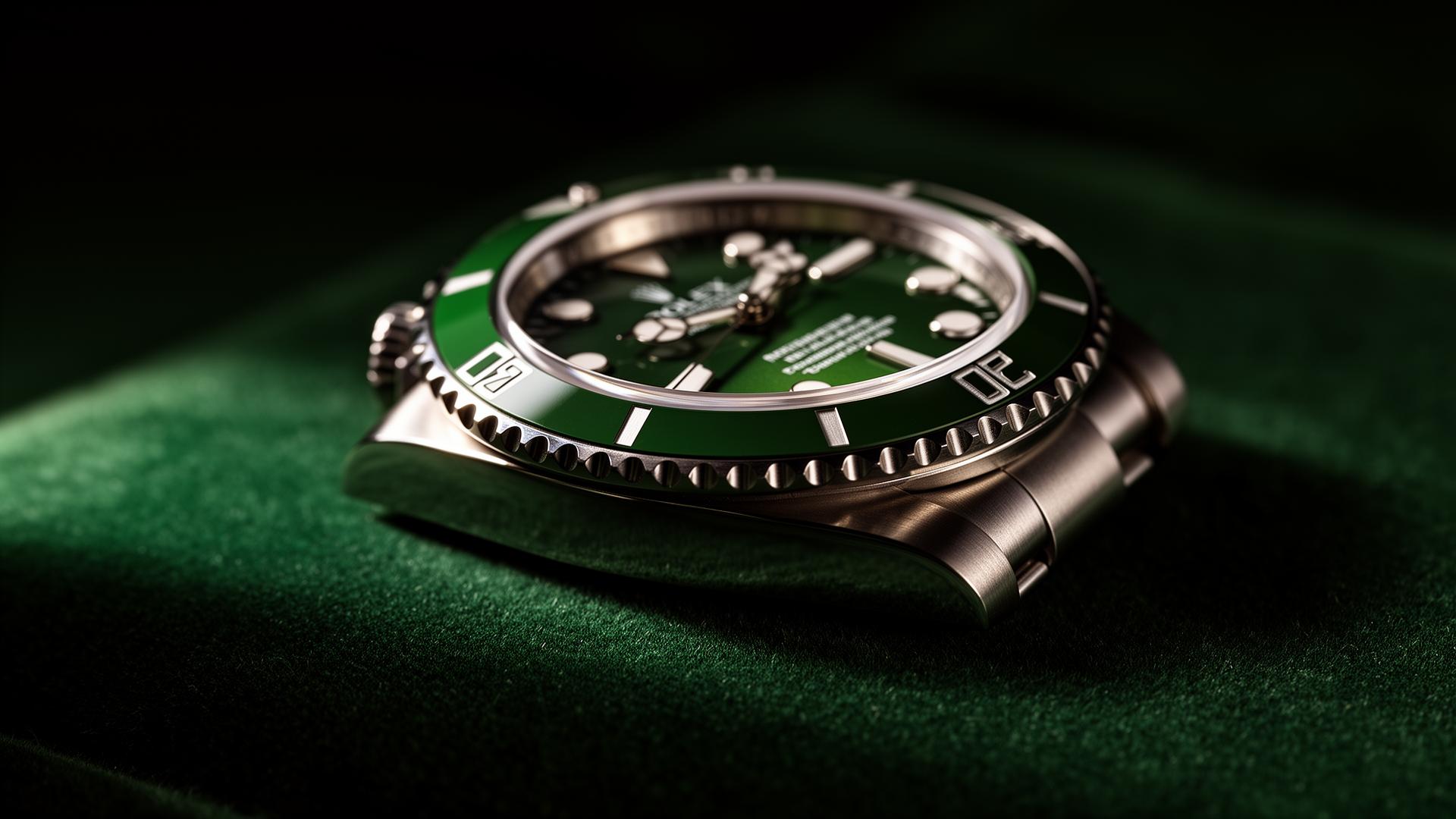
An attractive photograph and a familiar brand name are not enough. A serious inspection considers how the components belong together: the case and reference details, dial, hands, bezel, crown, bracelet, clasp and movement, where appropriate. The condition and age of the components should make sense for that particular reference.
Rolex describes its own Certified Pre-Owned process as including thorough checks of the watch's original configuration in Rolex workshops. That is the brand's official programme and is distinct from the independent inspections carried out by specialist retailers. Independent dealers must never imply that their own checks constitute official Rolex certification.
At Made For Time, our published authentication process includes multi-point checks of the case, movement, dial, hands, bracelet and reference markings. We also describe accompanying accessories and disclose the condition of the individual watch.
Why box and papers are not the whole story
Original packaging and paperwork can be valuable for provenance and resale appeal, but they should never replace an examination of the watch itself. Papers can be missing from authentic older pieces, and accompanying documents do not on their own verify the originality of every component.
A careful buyer should ask what is included, whether a service history is known, if any parts appear to have been replaced and whether restoration or polishing has been disclosed. For vintage watches in particular, originality and period-correct details can influence collectability just as much as cosmetic appearance.
This is why we encourage clients to review the available photographs and written condition details for an individual timepiece, rather than judging a purchase by a headline price alone.
Provenance, stolen-watch checks and secure payments
Authenticity and lawful ownership are separate questions. A watch may be genuine but still require checks against reports of loss or theft. Services such as The Watch Register allow buyers and dealers to search identifying numbers against a specialist database; a clear check reduces risk but cannot guarantee that every possible issue has been identified.
The transaction also matters. A professional business should be identifiable, reachable and transparent about payment methods, delivery, what is being supplied and its relevant terms. Be cautious of sellers pressing for immediate payment to unfamiliar accounts or refusing reasonable questions about provenance.
In the UK, consumer rights also differ between purchases from a business and from a private seller. Citizens Advice explains that buyers may have remedies when goods do not match the description, are not of satisfactory quality or are not fit for purpose, with important exceptions and circumstances.
Why a specialist showroom makes a difference
Buying from an established retailer does not mean every purchase is risk-free. It does mean you can evaluate the business itself: its address, reputation, procedures, disclosure standards and response when something needs attention. You can also ask to see the watch in person and discuss its movement, bracelet, condition and suitability without relying exclusively on online photographs.
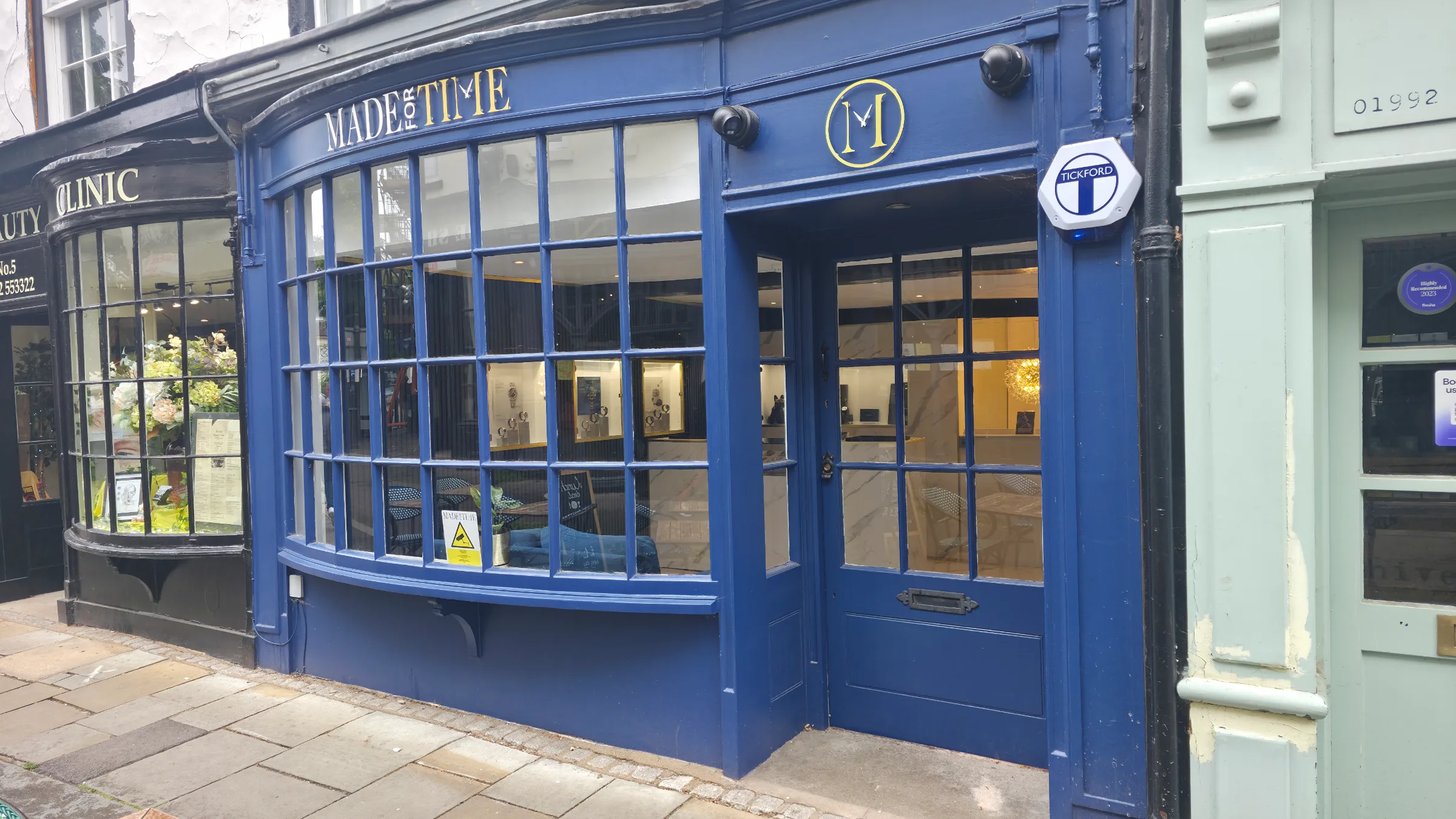
Our Hertford showroom, at 7 Fore Street, provides that opportunity. We offer informed, personal guidance to first-time buyers and established collectors, and can discuss specific references before you commit. See a selection of the watches available in our current collection.
Questions worth asking before you buy
Before purchasing a pre-owned luxury watch, ask whether it has been physically inspected, what authentication is being provided, what is known about its history, whether original parts and accessories are included, what condition issues are disclosed and what aftercare or warranty terms apply. If any answer is unclear, seek clarification in writing.
A trustworthy retailer should be comfortable with informed questions. Confidence comes from transparency, not pressure.
Discover our approach to authentication and condition reporting, browse authenticated luxury watches or arrange a visit to Made For Time.
Made For Time is an independent specialist and is not represented as part of the Rolex Certified Pre-Owned programme. Any warranty offered is subject to the terms documented at purchase and does not limit statutory consumer rights.